Quebec market
Factory Labourer Wages in Quebec: How Much Can You Earn?
Explore factory labourer wages in Quebec, including Job Bank benchmarks, potential shift premiums and opportunities for career advancement.
L'Agence AW · October 6, 2026 · 5 min read
Factory labourer wages in Quebec vary depending on responsibilities, experience, schedule and work environment. To decide whether an offer is worthwhile, you need to look beyond the advertised hourly rate. Shift premiums, benefits, working conditions and learning opportunities also matter.
The titles “general factory worker” and “factory labourer” can refer to similar positions, but duties vary from one employer to another. Here are the wage benchmarks to know and the questions to ask when choosing a job that meets your expectations.
At a Glance
According to Job Bank, factory labourer wages in manufacturing in Quebec for the 2023–2024 period were $16.10/hour at the low end, $20.00/hour at the median and $25.81/hour at the high end. Pay depends on factors such as the position and employer; evening or night shift premiums may be added where offered.
How Should You Interpret Factory Labourer Wages?
Job Bank data for the 2023–2024 period provides a benchmark for factory labourers in manufacturing in Quebec. However, it is neither a mandatory pay scale nor a guarantee of compensation for a specific position.
The median wage is not an average: it represents the midpoint of the wage distribution. The low end does not automatically apply to every entry-level job, and the high end is not a rate everyone reaches after a set amount of time.
When comparing offers, first check whether the responsibilities are equivalent. A packaging-focused position may differ from a job that involves preparing materials, handling loads or supporting several stages of production. The industry, region, union status and required skills can also influence the conditions offered.
What Does a Factory Labourer Do?
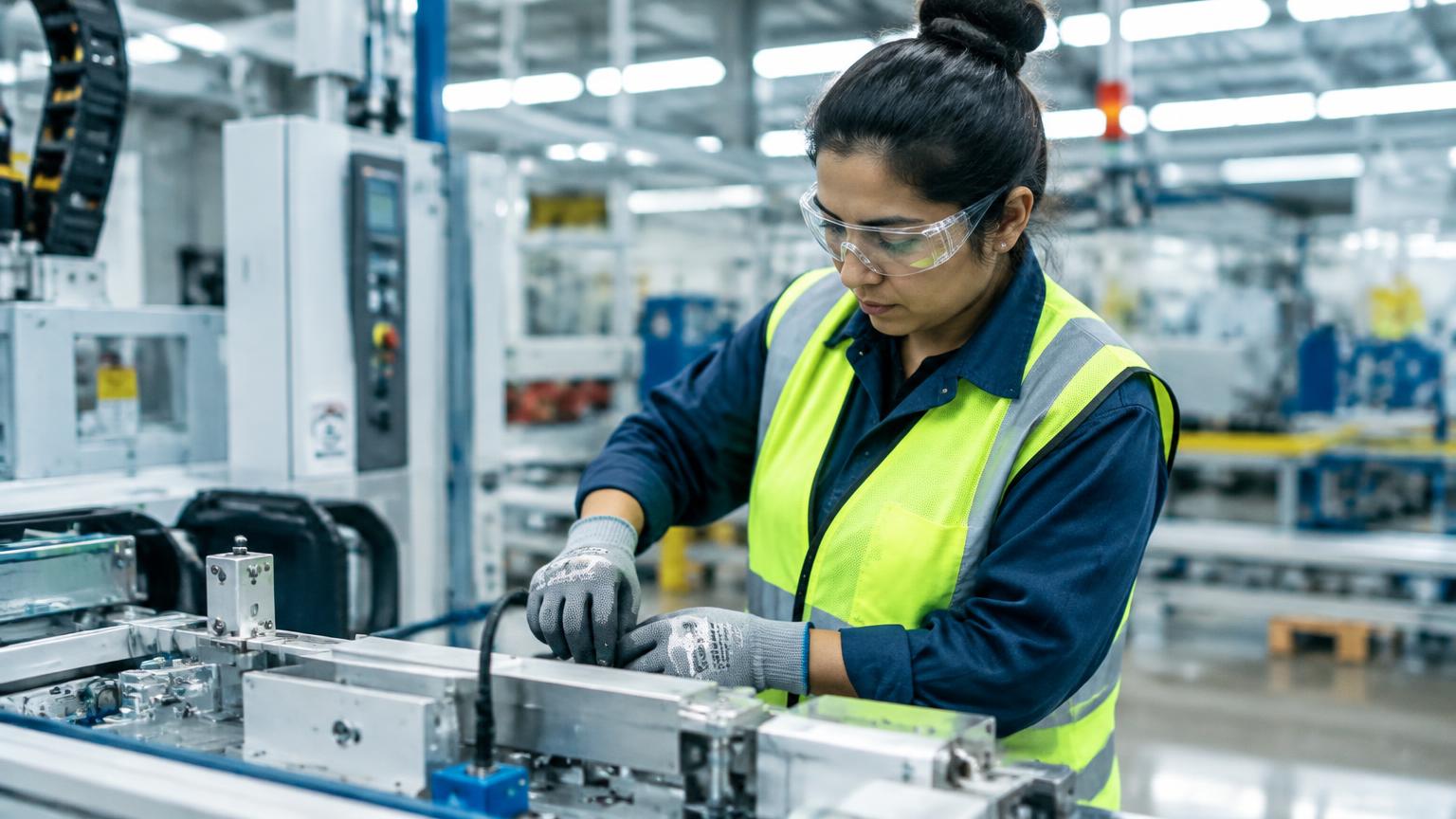
A factory labourer helps keep production running smoothly. Depending on the factory, they may work at a fixed station or assist different teams. The role generally requires punctuality, attention to detail and compliance with health and safety instructions.
Duties may include:
Some jobs are available without a specialized diploma and provide on-the-job training. Requirements vary, however, and may include physical stamina, an ability to understand instructions, manual dexterity or familiarity with certain tools. Before accepting an offer, ask what a typical day looks like, what protective equipment is required and how new employees are onboarded.
- Supplying a production line with raw materials or components.
- Sorting, packaging, labelling and preparing products for shipping.
- Moving materials using authorized equipment.
- Performing visual checks and reporting irregularities.
- Cleaning the workstation and keeping work areas clear.
- Assisting operators and following established production methods.
Evening and Night Shift Premiums: What Should You Check?
An evening or night shift job may offer a premium on top of base pay. However, this premium is not automatic: whether it is offered and how it applies depend on factors such as the employer’s policies or the applicable collective agreement.
Ask whether the advertised rate already includes the premium or whether it is added to the posted amount. Also clarify which shifts qualify, the conditions for receiving it and what happens if your schedule changes. Written confirmation helps prevent misunderstandings.
Then compare the full package: schedule stability, insurance benefits, time off, transportation and advancement opportunities. A higher-paying shift also needs to fit your sleep needs and personal responsibilities. The best offer is not necessarily the one with the highest advertised rate.
How Can You Advance to a Machine Operator, Forklift Operator or Welder Position?
A labourer position can be a starting point for a more specialized occupation. Advancement depends on available positions, your abilities and the training you complete. It is not automatic, but a solid understanding of production can make the transition easier.
Discuss your goals with your supervisor and ask which skills you need to progress. Reliability, following procedures and the ability to communicate problems are valuable assets. Look for supervised training opportunities as well, without using equipment you are not authorized or trained to operate.
- Machine operator: learn how a machine works, which adjustments are permitted, and the quality checks and safety procedures specific to the equipment.
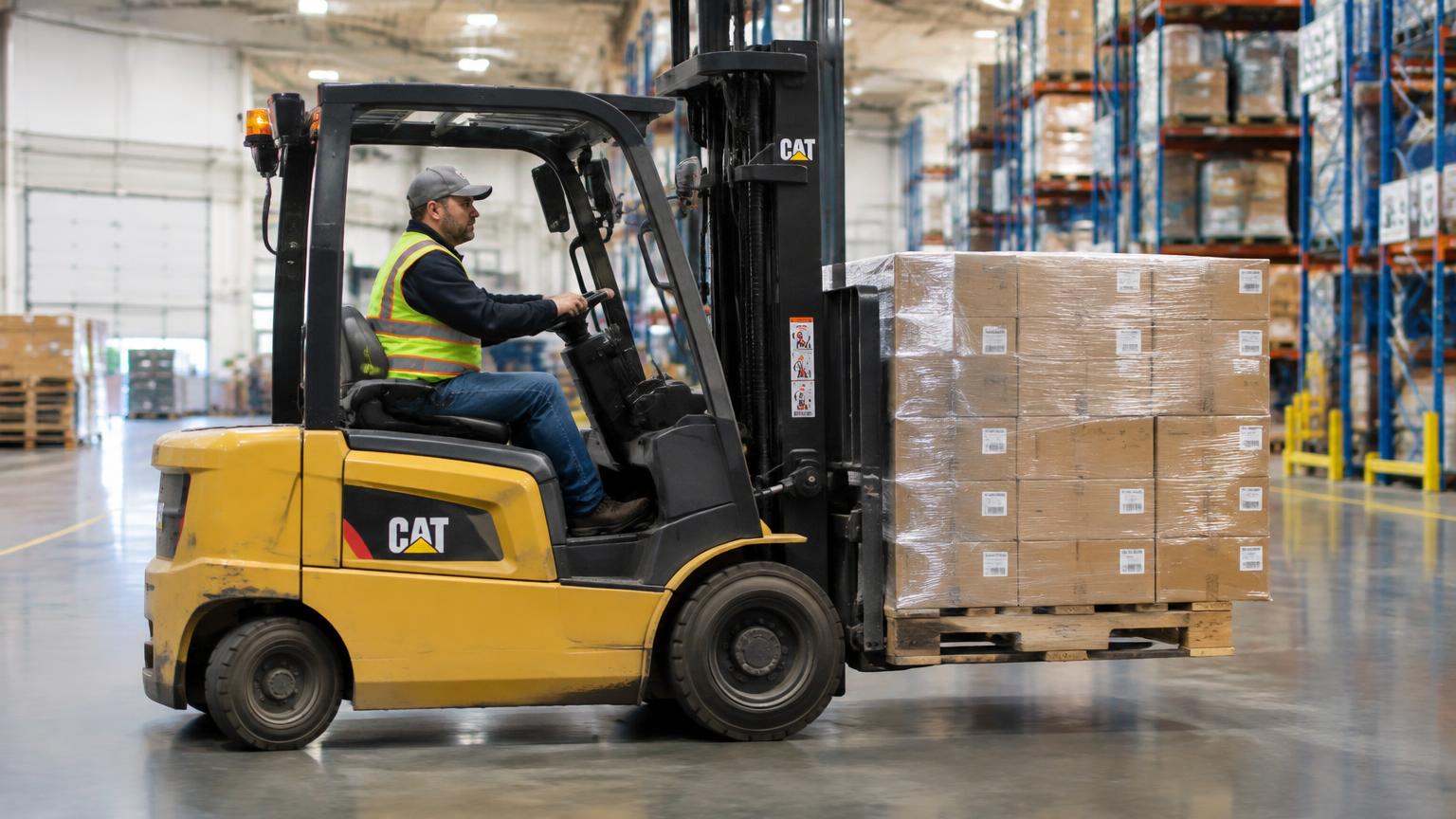
- Forklift operator: complete training tailored to safe forklift operation and workplace conditions.
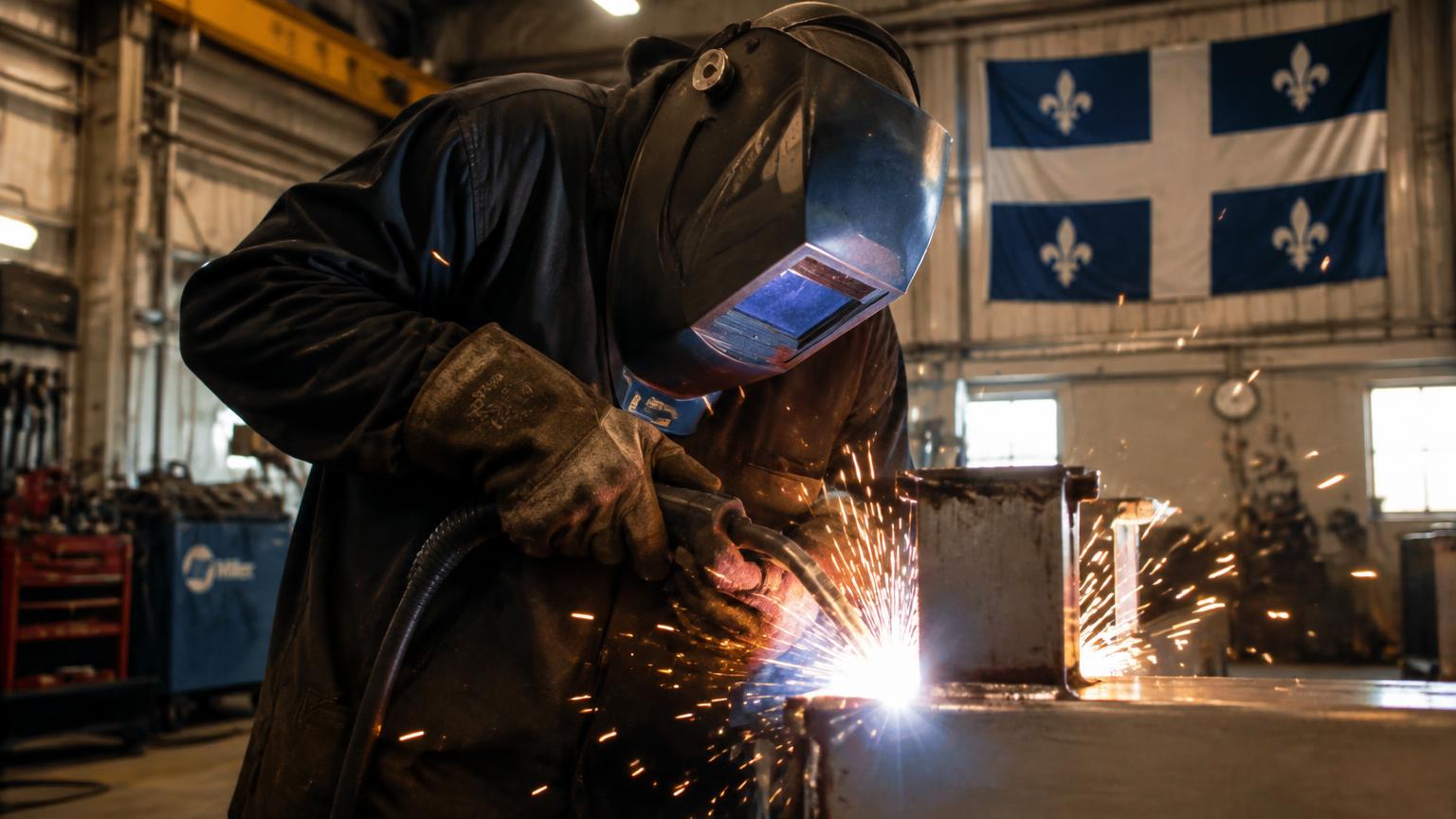
- Welder: get technical welding training, develop blueprint-reading skills and meet the requirements of your target position.
Find Your Next Opportunity with L'Agence AW
Looking for an industrial job that matches your experience, availability and goals? Visit our [Careers](/carrieres) page and contact L'Agence AW to discuss your background. Share your preferred schedule, your skills and the tasks you would like to learn.
Does your company need staff? Explore our [industrial staffing and placement services](/services/main-oeuvre-industrielle). L'Agence AW helps employers meet their staffing needs, including positions for specialized labourers and welders. Let’s discuss your needs to help ensure a good fit between people, tasks and your work environment.