Training
Mental Health at Work: Keeping Teams Motivated Through Winter
Mental health at work: practical ways to support team morale, motivation and productivity throughout Quebec’s winter.
L'Agence AW · October 6, 2026 · 5 min read
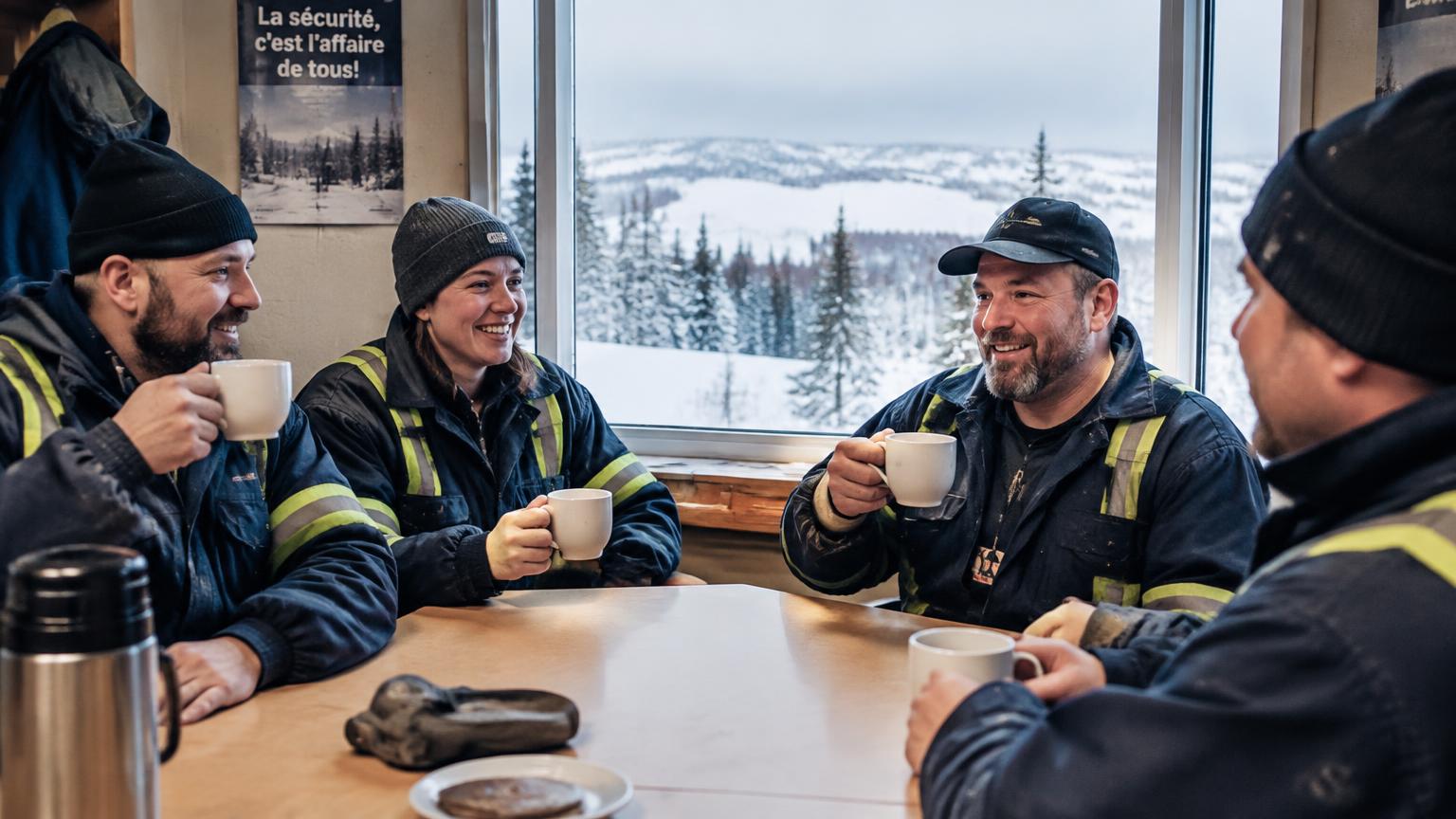
Mental health at work deserves particular attention during Quebec’s long winters. Limited daylight, difficult commutes and fewer opportunities to socialize can weigh on team morale. In the North, Abitibi, Côte-Nord and Saguenay, geographic isolation can also make it harder to maintain social connections.
For employers, supporting motivation is not about asking people to stay positive. It means adapting working conditions, setting realistic expectations and keeping communication open. Whether in a factory, warehouse, store or office, simple actions can help sustain a team’s energy without compromising quality or safety standards.
At a Glance
To support mental health at work during winter, employers can keep schedules predictable, make it easier to take breaks during daylight hours and adjust priorities to their teams’ actual capacity. Specific recognition, accessible activities and regular check-ins also help maintain motivation, particularly in remote communities. The goal is to improve how work is organized, without making social participation mandatory or asking employees to share personal matters.
Adapt Schedules and Protect Breaks
Winter can add to employees’ workload before their shift even begins, with snow removal, unreliable transportation or disrupted family routines. When operations allow, flexible start times or a clear storm-day procedure can keep unexpected events from becoming a source of tension.
For roles with fixed schedules, predictability is essential. Announce changes as early as possible and distribute scheduling constraints fairly. Find suitable options for evening and night crews rather than reserving all flexibility for office staff.
- Schedule breaks to allow access to daylight when possible, without compromising safety or staffing coverage.
- Provide a clean, welcoming break area that is truly separate from the workspace.
- Avoid filling breaks with meetings or operational requests.
- Clarify priorities on days disrupted by weather and postpone non-urgent tasks.
Recognize Effort and Keep Workloads Realistic
Recognition is more meaningful when it is specific. Thanking a team for a well-managed shift handover, welcoming a new colleague or following procedures reinforces that contributions go beyond output. Choose a form of recognition that suits the individual: not everyone likes being praised in front of a group.
Recognition must also align with management decisions. A thank-you does not make up for a persistently excessive workload. If absences or supply delays increase pressure, distinguish between what needs to be delivered immediately and what can wait.
Discuss practical obstacles with employees: unavailable equipment, conflicting instructions, insufficient replacement coverage or an unsustainable pace. Resolving a recurring frustration can do more for engagement than a one-off activity. Also, avoid consistently rewarding overtime or never taking breaks.
Reduce Isolation with Accessible Activities
In remote regions, distances, road conditions and non-standard schedules can limit opportunities to connect outside work. Employers can create opportunities for interaction without expecting employees to devote their evenings to the company.
Choose simple, voluntary activities that accommodate different shifts. Start by asking teams what they would enjoy. An outdoor activity may appeal to some people, but it should not be the only option.
- Organize a team coffee break or shared meal during work hours, where operations allow.
- Offer a short walk during daylight hours when conditions are safe, with an indoor alternative.
- Set up a buddy system to welcome new hires or employees who have recently moved to the region.
- Include remote colleagues in informal conversations without adding more mandatory meetings.
- Offer equivalent opportunities across shifts so the day crew is not always favoured.
Keep Communication Open Without Taking on a Health Professional’s Role
Managers do not need to make a diagnosis to take action. Their role is to discuss work, listen to concerns and look for possible adjustments. A question such as “What is making your work harder this week?” often opens a more practical discussion than a simple “How are you?”
Schedule confidential one-on-one check-ins without pressuring employees to share personal matters. If someone raises a concern, agree on a work-related action and a follow-up. Remind employees of any resources available within the organization, without trying to replace professional support.
To evaluate winter initiatives, combine team feedback with existing operational indicators, such as lateness, errors or overtime. Look at team-wide trends without drawing conclusions about any individual’s health.
Equip Your Managers with L'Agence AW
Better-prepared managers can communicate priorities clearly, recognize effort and address everyday sources of pressure. Explore [workplace mental health training](/services/formation-sante-mentale-travail) and [stress management training](/services/formation-gestion-stress) from L'Agence AW.
Looking to better support your teams through winter? Contact L'Agence AW to discuss your working environment, schedules and training needs. Together, we can explore an approach tailored to your workplace.