Quebec market
Industrial Mechanic Salary in Quebec: Wage Benchmarks, Training and Career Outlook
Explore industrial mechanic salaries in Quebec, including Job Bank wage benchmarks, factory responsibilities and DEP training.
L'Agence AW · October 6, 2026 · 4 min read
Are you searching for “industrial mechanic salary” to assess a job offer or consider a career in Quebec? According to Job Bank data for 2023–2024, hourly wages for this occupation in Quebec range from a low of $24.00 to a high of $49.00, with a median of $33.33.
These figures provide a useful point of comparison, but they do not tell the whole story. Responsibilities, technical skills, schedules and working conditions also influence how appealing a position may be. Here is how to interpret these benchmarks and explore an in-demand trade that is essential to keeping factories running.
At a Glance
According to Job Bank data for 2023–2024, industrial mechanic wages in Quebec have a low benchmark of $24.00 per hour, a median of $33.33 per hour and a high benchmark of $49.00 per hour. These professionals maintain, troubleshoot and repair factory equipment. A Diploma of Vocational Studies (DEP) in industrial construction and maintenance mechanics is a common training pathway into this in-demand trade.
What Does an Industrial Mechanic Do in a Factory?
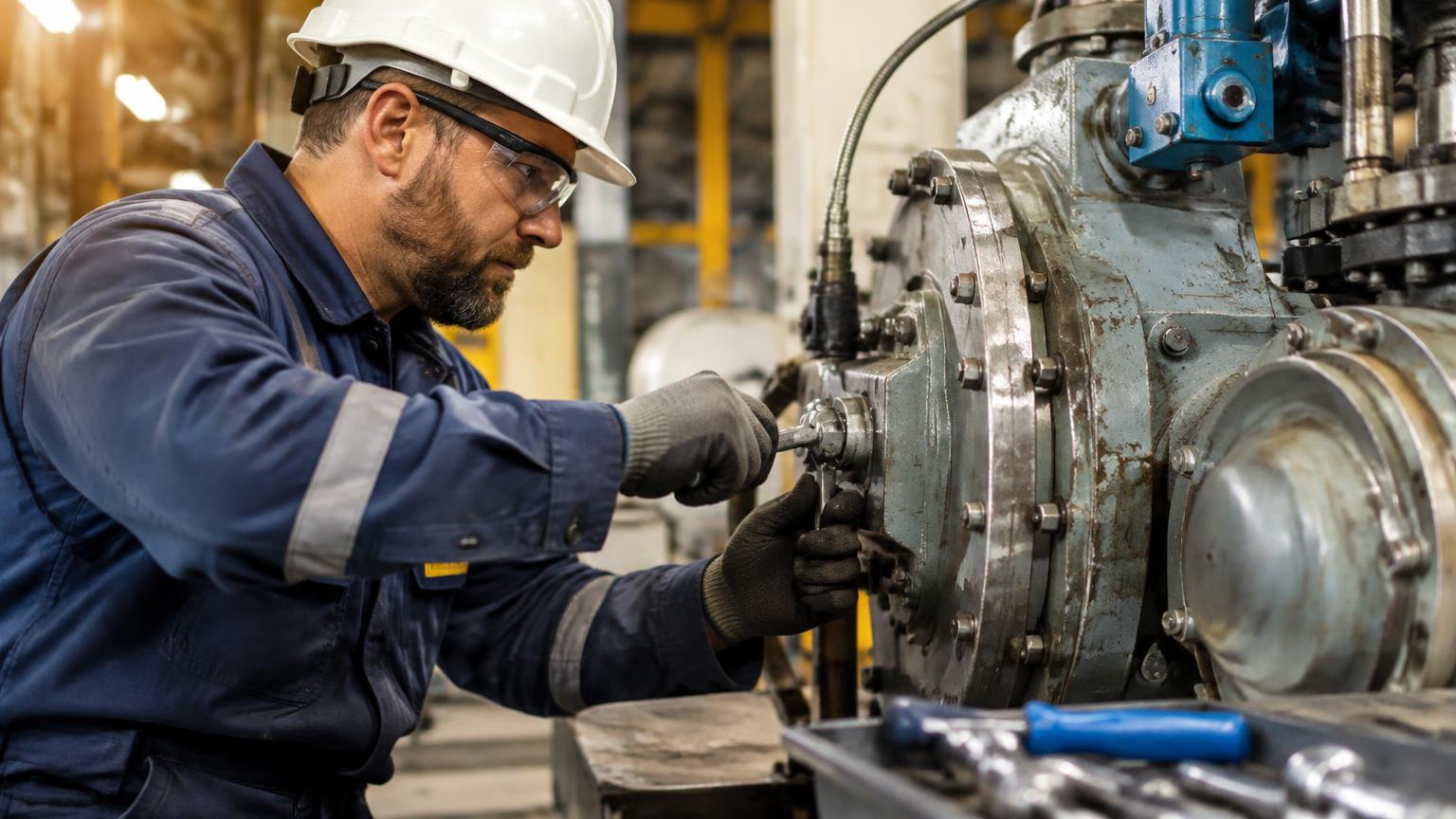
Industrial mechanics help keep production equipment in good working order. Their work helps prevent breakdowns, restore machinery to operation and keep production running. They work on equipment such as conveyors, pumps, motors and various mechanical systems.
Their days combine preventive maintenance, troubleshooting and repairs. When equipment stops working, they need to understand what caused the problem rather than replace a part at random. They consult drawings, inspect components and collaborate with production staff and other maintenance trades.
Safety is central to this role. Maintenance and repair work requires compliance with lockout procedures and workplace-specific rules. Depending on the position, tasks may include:
- Inspecting machinery and identifying signs of wear.
- Dismantling, repairing and replacing mechanical components.
- Performing adjustments, alignment and lubrication.
- Helping install equipment and return it to service.
- Documenting maintenance and repair work and reporting recurring problems.
How Should You Interpret Job Bank Wage Figures?
The low, median and high benchmarks describe wages observed for the occupation. They are neither a mandatory pay scale nor a guarantee of what an employer will offer. The median wage is the midpoint of the wage distribution and should not be confused with an average.
It would also be misleading to automatically associate the low wage with every entry-level worker and the high wage with every experienced worker. An offer depends on the employer’s circumstances, the complexity of the equipment and the level of independence expected.
When comparing positions, consider total compensation and the actual job requirements. Shift premiums, insurance coverage or a pension plan can make an offer more attractive. On the other hand, a schedule that does not fit your circumstances deserves careful consideration before you accept.
- Check the base wage and any applicable premiums.
- Ask which shifts, on-call duties or travel are required.
- Clarify the responsibilities and the support available on site.
- Review employee benefits and training opportunities.
What DEP Training Leads to This Trade?
The DEP in industrial construction and maintenance mechanics prepares students for many tasks in the trade. It develops skills in areas such as reading drawings, mechanical maintenance, equipment installation and troubleshooting. Training also covers hydraulic and pneumatic systems.
Check admission requirements and program arrangements with your chosen vocational training centre. For someone changing careers, this step helps clarify prerequisites and plan a return to school.
Beyond the diploma, employers look for attention to detail, sound mechanical reasoning and clear communication. The ability to explain a breakdown, pass along instructions and work as part of a team matters just as much as knowing how to use the right tools. Employment preparation can support this transition, but it does not replace the required technical training.
An In-Demand Trade with Varying Needs
Industrial mechanics are in demand because factories need reliable equipment to keep operating. Maintenance remains necessary even as processes evolve: new machinery also brings new troubleshooting and maintenance needs.
However, job opportunities are not the same throughout Quebec. They vary by region, manufacturing sector, investment levels and available schedules. An in-demand trade therefore does not guarantee immediate employment or a specific wage.
To strengthen your application, clearly describe the equipment you know, the maintenance and repair work you have performed, and your availability. Concrete examples of problem-solving help employers understand the contribution you could make.
Discuss Your Next Step with L'Agence AW
Interested in working in an industrial setting? Visit our [Careers](/carrieres) page to explore posted opportunities and share your profile with us. The team at L'Agence AW can discuss your background, skills and career goals with you.
Are you an employer looking for staffing support? Explore our [industrial staffing services](/services/main-oeuvre-industrielle), then contact us to discuss your needs. A conversation about duties, schedules and required skills helps guide recruitment and placement efforts.